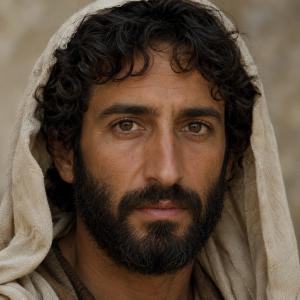
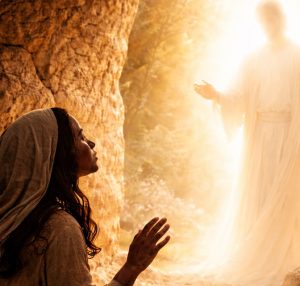
The Emmaus Road
The resurrection appearance of Jesus to two disciples on the road to Emmaus.
13 Now that same day two of them were going to a village called Emmaus, about seven miles[a] from Jerusalem. 14 They were talking with each other about everything that had happened. 15 As they talked and discussed these things with each other, Jesus himself came up and walked along with them; 16 but they were kept from recognising him.
17 He asked them, ‘What are you discussing together as you walk along?’
They stood still, their faces downcast. 18 One of them, named Cleopas, asked him, ‘Are you the only one visiting Jerusalem who does not know the things that have happened there in these days?’
19 ‘What things?’ he asked.
‘About Jesus of Nazareth,’ they replied. ‘He was a prophet, powerful in word and deed before God and all the people. 20 The chief priests and our rulers handed him over to be sentenced to death, and they crucified him; 21 but we had hoped that he was the one who was going to redeem Israel. And what is more, it is the third day since all this took place. 22 In addition, some of our women amazed us. They went to the tomb early this morning 23 but didn’t find his body. They came and told us that they had seen a vision of angels, who said he was alive. 24 Then some of our companions went to the tomb and found it just as the women had said, but they did not see Jesus.’
25 He said to them, ‘How foolish you are, and how slow to believe all that the prophets have spoken! 26 Did not the Messiah have to suffer these things and then enter his glory?’ 27 And beginning with Moses and all the Prophets, he explained to them what was said in all the Scriptures concerning himself.
28 As they approached the village to which they were going, Jesus continued on as if he were going further. 29 But they urged him strongly, ‘Stay with us, for it is nearly evening; the day is almost over.’ So he went in to stay with them.
30 When he was at the table with them, he took bread, gave thanks, broke it and began to give it to them. 31 Then their eyes were opened and they recognised him, and he disappeared from their sight. 32 They asked each other, ‘Were not our hearts burning within us while he talked with us on the road and opened the Scriptures to us?’
33 They got up and returned at once to Jerusalem. There they found the Eleven and those with them, assembled together 34 and saying, ‘It is true! The Lord has risen and has appeared to Simon.’ 35 Then the two told what had happened on the way, and how Jesus was recognised by them when he broke the bread.

Horsham: 5th May 2026
Setting the Scene
Appearing only in the Gospel of Luke, these verses tell of two people who knew Jesus well. One of them is called Cleopas (. It’s likely that his wife was at the cross with the mother of Jesus(John 19:25), watching him suffer and die. These two were not amongst the twelve disciples, but they were part of the larger group who were followers of Jesus. They may have been amongst the 72 who were sent out on mission by Jesus (Luke 10). They would certainly have been there when Jesus rode into Jerusalem on a donkey, with the crowd welcoming him as King. They would have been there during those tense arguments with Jewish leaders in the Temple during what we call Holy Week. They would have been in hiding after the arrest of Jesus, but they would probably have seen his beaten, broken and bloody body as he was paraded through the streets, perhaps mingling in the crowd even as he was nailed to the cross. They knew where he had been buried, and they had hear the testimony of the women who said that Jesus had risen from the dead. However, the testimony of women was not regarded as reliable, and it was now evening of the third day. Neither they, or any of the men, had seen Jesus.
Like everyone in their group, they had thought that Jesus was the Messiah. That he would rid Israel of the Roman occupiers and restore the nation as the Kingdom of God. Whatever else the Messiah would do, getting arrested, beaten and killed were not part of the job description. Now, three days after his death, they were confronting the fact that they had been wrong. Jesus, it seemed, was not the Messiah after all. The last few weeks had been a rollercoaster, but things had not turned out as they hoped. They felt let down and dejected. They were going home.
What happened on the Road
These two disciples were walking from Jerusalem towards Emmaus where they were to spend the night. The distance is about seven miles and on the rough roads the journey would take several hours. The sun was low in the sky and there were other Jewish pilgrims on the road, making their way home after the Passover festival. Perhaps they were blinded by the sun, or looking down to make sure that they did to trip over, but whatever happened, they didn’t recognise the traveler who came up alongside them as they walked along.
It was natural to chat to other pilgrims. ‘What are you talking about as you walk along?’ One of them, maybe it was Cleopas, says ‘The events in Jerusalem.’ He’s referring to the events around Jesus. ‘What events? I sense exasperation in the reply. This man is clearly a Jew. How could he ask a question like that? Why would he need to? ‘Are you the only person in Jerusalem who doesn’t know about what’s been going on!’ This traveler, of course, is the only person who knows in every detail what had been going on. The teacher lets them keep talking. ‘We thought Jesus was one who would save Israel.’ The Jewish leaders gave him over to execution. He was crucified. He was buried. Some of the women said he was risen, but none of us have seen him.
The traveler starts to talk about Scripture. How the prophets said that the Messiah would suffer violence, even death. Yet that would not be the end. Resurrection would follow. He preaches an extraordinary sermon. Like generations of followers of Jesus, I wish I could have listened in!
The hearts of the travelers were fired up and encouraged by the conversation, but they still didn’t recognise Jesus.
Together, they reach the place where they are to stay overnight. The pilgrim looks as if he would continue on his way, but of course Cleopas and his friend encourage him to stay with them as their guest. They are Jews. Hospitality is in their DNA.
Perhaps they are still blinded by the setting sun. Perhaps they are still heads down, trying not to fall. They still don’t recognise who this traveler is.
At the Table
Over dinner, something unusual happens. The breaking of bread is an important art of the ritual, but is always done by the host. This pilgrim is not the host, he is the guest, yet it is him who breaks the bread. There’s something about the way in which he does this simple act, perhaps the words he uses, or the way be handles the loaf which is incredibly familiar. In that instant, two extraordinary things happen. As if a blindfold has been removed they recognise this man. It is Jesus – the Jesus who had been crucified and buried. He is alive. And than, in the same moment, he is gone from their sight.
Resurrection.
Back on the Road
No-one travels at night. The roads are uneven and bumpy. The risk of a fall is high. There are robbers out there. But this is not news they can keep to themselves. This is serious breaking news. They must tell the other disciples without delay. Shoes back on – they rush back to Jerusalem with the news. Christ is Risen.

End Piece
This is a wonderful resurrection story. It’s simple. It’s graphic. There is a realism to it. RC Sproul once said that these few verses relate ‘the most glorious story of the New Testament’.
There are a some great lessons here.
When seeking Jesus, we should expect the unexpected. The one thing they weren’t expecting to happen on that day was to meet Jesus. Were they also assuming that a resurrected Jesus would still look shockingly battered, bruised and bloodied? The resurrected Jesus as they met him was not like that at all.
An encounter with Jesus was enough to turn someone who was in the depths of despair, into someone filled with excitement and joy.
There were risks in sharing this news. The journey back to Jerusalem mat night involved considerable risk. But the news of resurrection was, and is, urgent. The news of the resurrection was, and is, to be shared.
Breaking news. Christ has died. Christ is risen. Expect the unexpected. Pass it on!